
If we were to give gravure printing an award, it would definitely win “Most Patient Detail-Oriented Expert.” This expert’s “secret skill” dates back over 500 years to the copperplate engraving technique in Europe—back then, craftsmen carved patterns on metal plates, and no one would have guessed that this would evolve into a mass-producible printing technology centuries later. Its core principle is surprisingly simple: “Ink fills the recessed areas, and those areas become the printed pattern.” But mastering this principle to perfection is no easy task.

First, let’s look at its “weapon”—printing plate production. This isn’t just random drawing; it’s a meticulous process comparable to micro-engraving. If a customer wants ultra-fine patterns, like the gradient textures on high-end cosmetics packaging, gravure printing brings out the “mechanical engraving method”: a diamond-tipped engraving tool “dances” on a copper roller, with the tool’s angle and depth precisely controlled by a computer. It can carve differences as small as 0.01 millimeters—thinner than a human hair! For large-batch orders that require consistent color, such as beverage bottle labels, it switches to the “electronic engraving method,” using electric pulses to drive an engraving head that pokes neat rows of “small pits” (technically called “cells”) on the roller. The size and depth of these pits directly determine the amount of ink, ensuring every label has identical color. Occasionally, when artists need to create limited-edition works, it uses the “chemical etching method”: first, a photosensitive adhesive is applied to a metal plate; after exposure and development, a chemical solution “bites” into the plate to form patterns. The uneven, textured pits give the printed works a unique artistic flair.
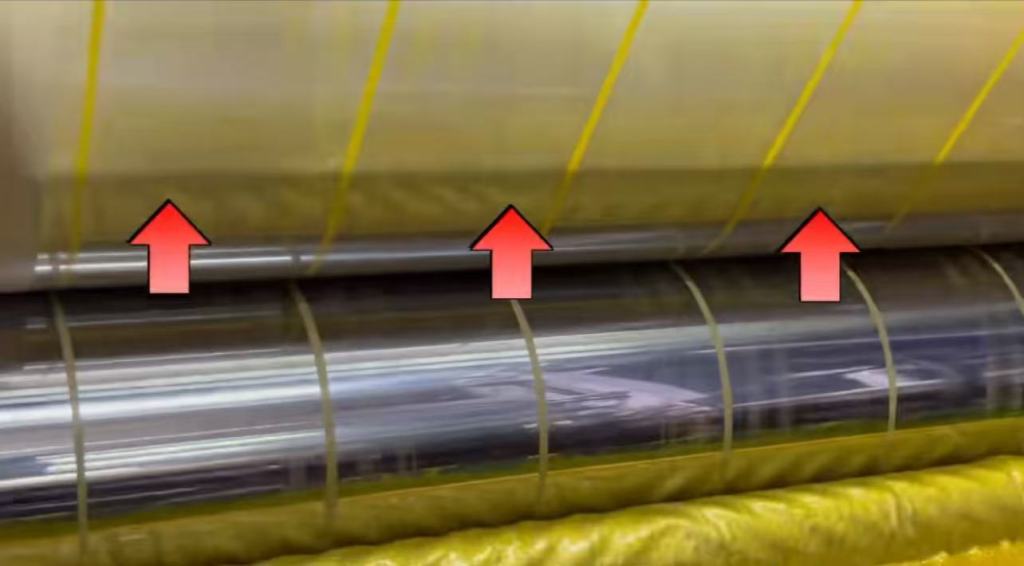
Watching it “work” is like watching a precise “ink relay race.” The ink used in gravure printing is a “master of fluidity”—whether solvent-based or water-based, it easily fills the small pits on the printing plate. Step one: the ink supply system acts like a “courier,” delivering ink evenly to the roller surface. Next, the doctor blade makes its appearance—a “strict quality inspector” that presses against the roller at a precise angle and pressure. It not only scrapes off excess ink from the surface but also controls the amount of ink residue around the pits, never letting small mistakes like “ink flying” or “plate blurring” affect quality. Finally, the substrate (which can be plastic film, paper, aluminum foil, etc.) “squeezes” between the plate roller and the impression roller. The impression roller applies a light pressure, and the ink in the small pits is “squeezed out,” adhering firmly to the substrate through capillary action. For “fussy” materials like plastic film, a “skin treatment” is needed first—corona treatment to increase surface tension, ensuring the ink sticks properly and won’t peel off during use.
What makes this “carving master” truly remarkable is its perfect balance of “exquisiteness” and “mass production.” The gradient effect from matte to glossy on the high-end cosmetics case in your hand? That’s achieved by adjusting the depth of the small pits, and it even feels like silk when you touch it. The large wallpaper in your home, with patterns that line up perfectly every meter without any misalignment, and colors brighter than those from other printing methods? That’s all its doing. Even more impressive is the durability of its “weapon”—a chrome-plated copper roller printing plate, with proper maintenance, can handle millions or even tens of millions of prints. It’s like a “legendary weapon” in martial arts novels—getting better with use while maintaining consistent performance. For example, a well-known beverage brand once needed millions of labels printed; gravure printing finished the job in just a few days, ensuring every label looked identical and helping the brand maintain its “visual standards.”

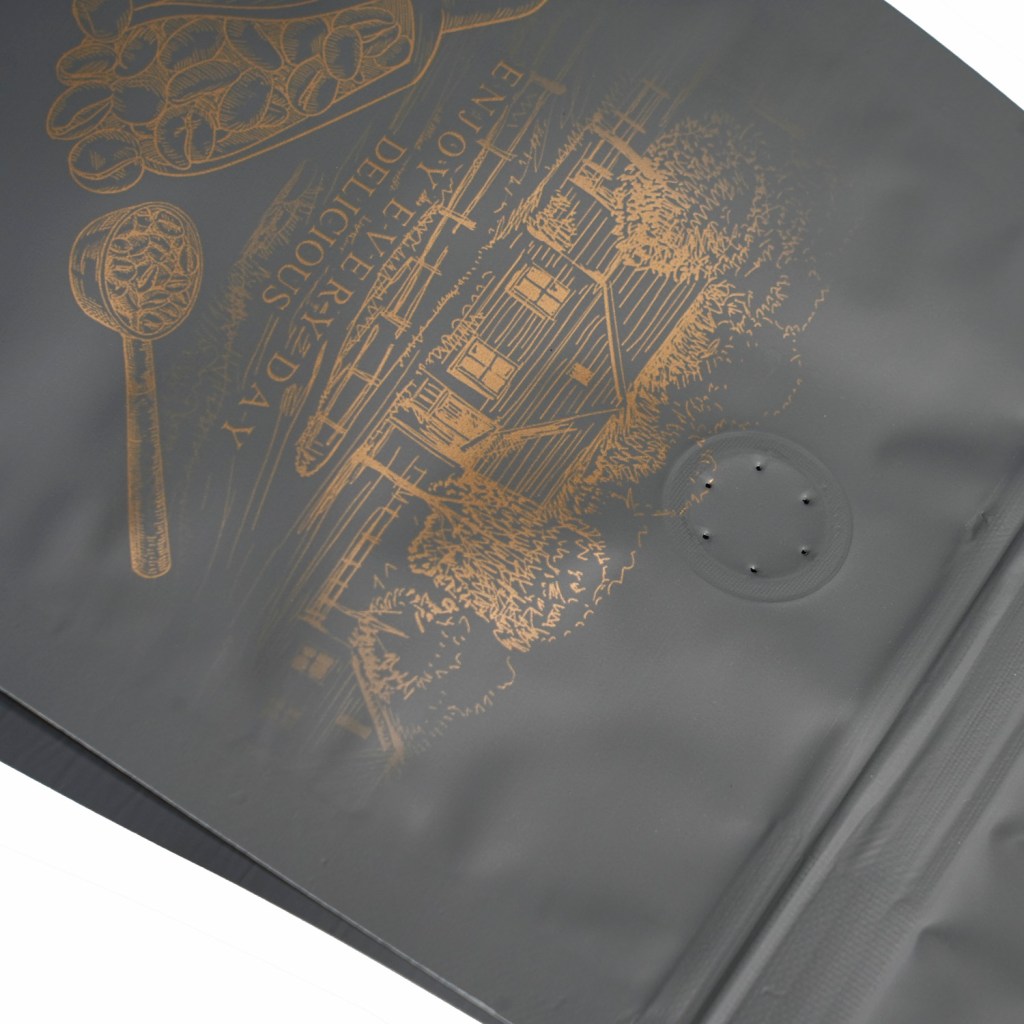
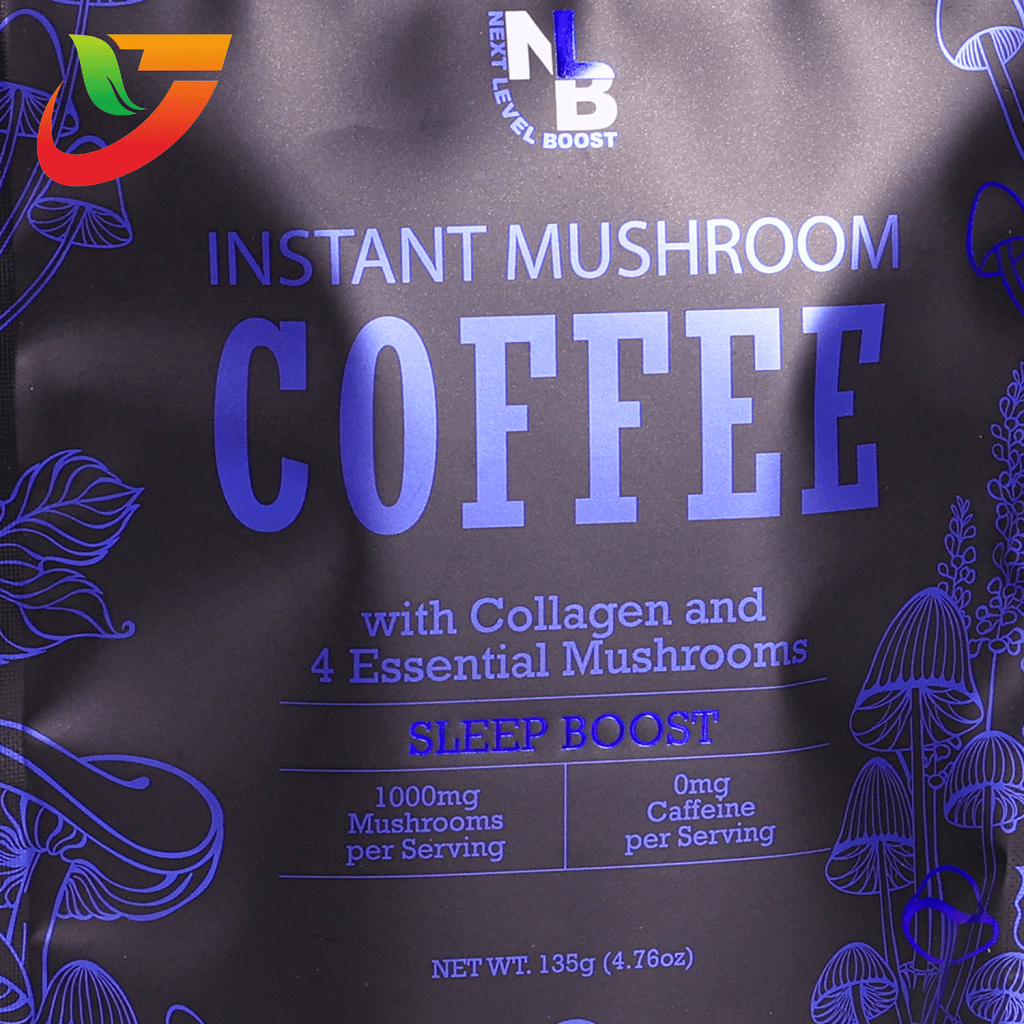
Today’s gravure printing has long gone beyond just printing on paper—it’s a true “cross-industry expert.” In food packaging, it uses water-based inks to solve solvent residue issues, printing on milk cartons, instant noodle bags, and chocolate wrapping paper—both attractive and safe. In industry, it helps print electrode materials for lithium batteries and conductive pastes for solar panels, using precise ink control to ensure the performance of high-tech products. In decorative materials, it’s a star too: the wood grain and stone patterns on floor coverings and PVC decorative films are all “painted” by it—eco-friendly and affordable, letting ordinary families enjoy high-end decoration effects. Recently, it’s also jumped on the “eco-friendly trend,” developing solvent-free gravure printing. The ink cures without solvents, eliminating pollution entirely while improving efficiency. It seems this “veteran master” is always learning new skills!
 Packaging Expert
留下评论