
Packaging bags are essential for product storage, transportation and promotion. This article introduces nine common bag types, including their structures, applications, advantages and disadvantages, to help you choose the right packaging.
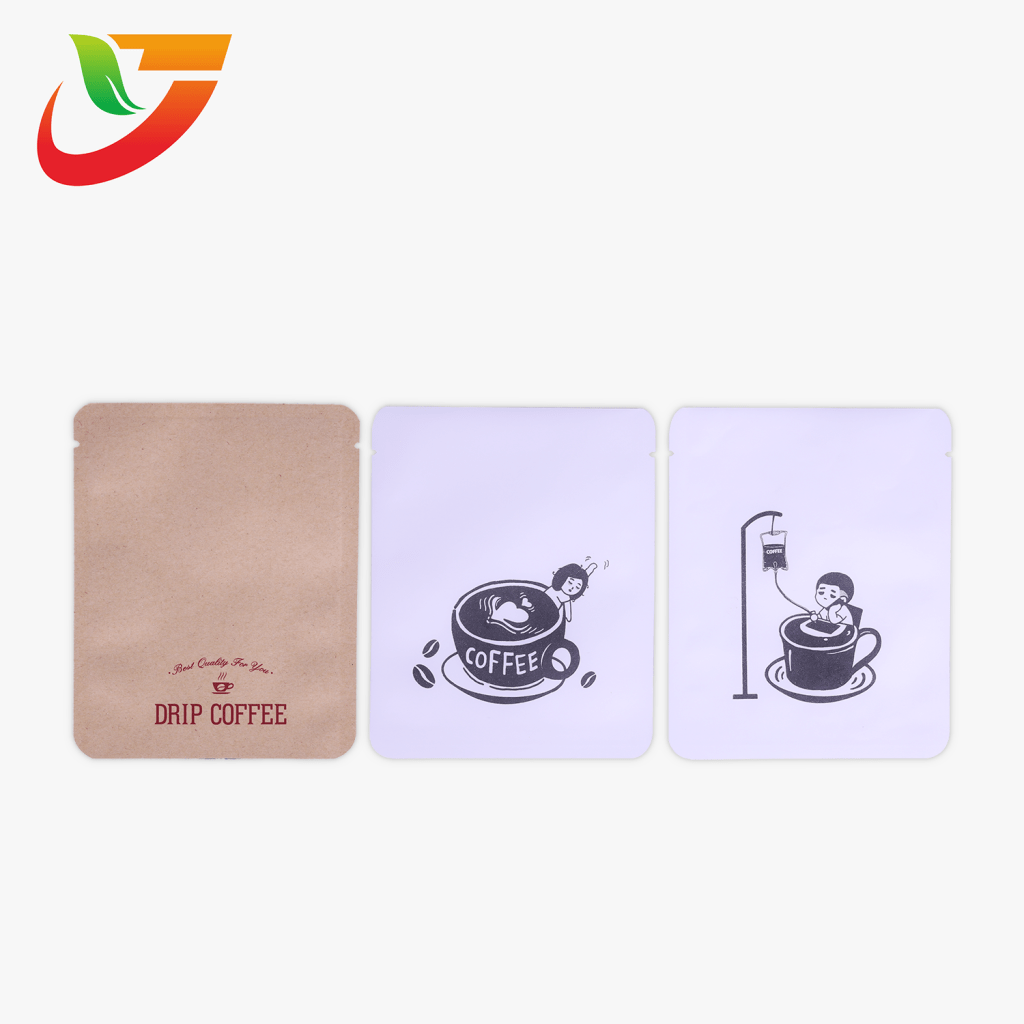
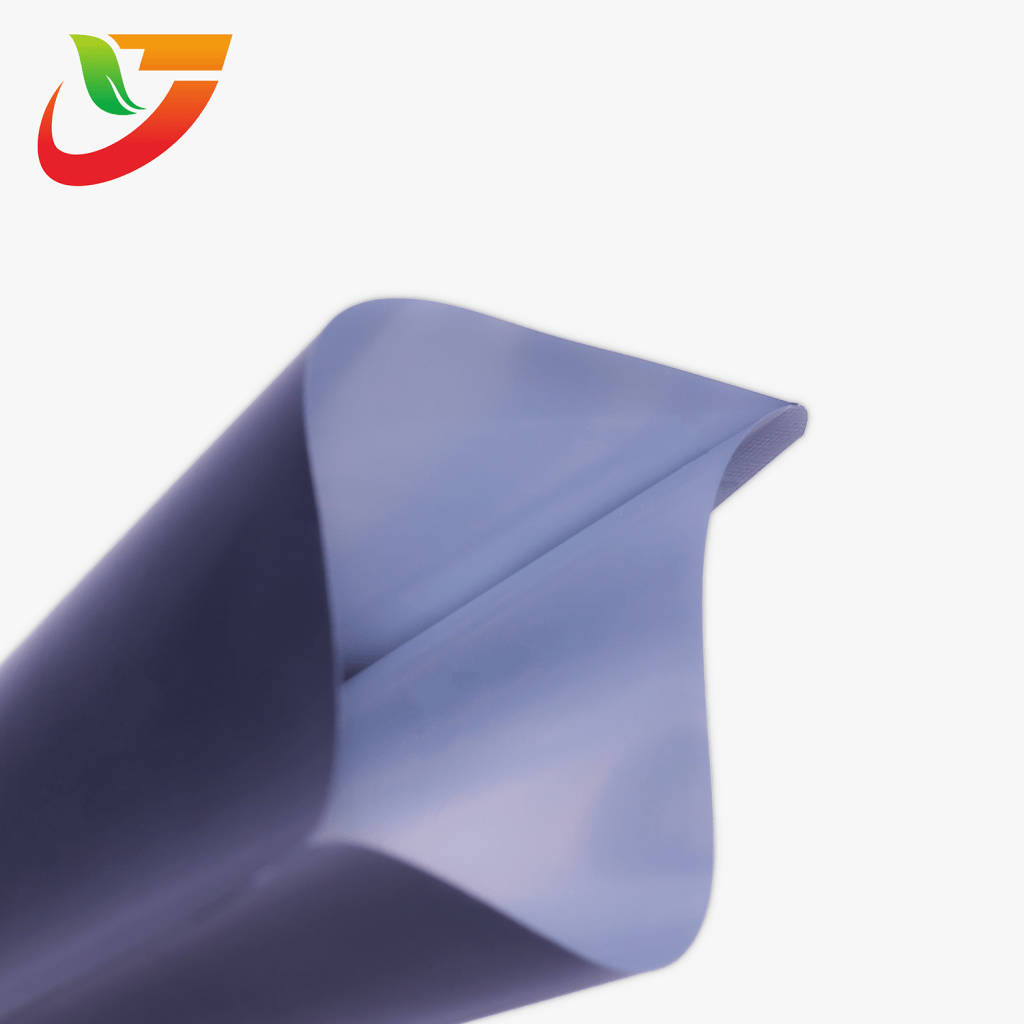
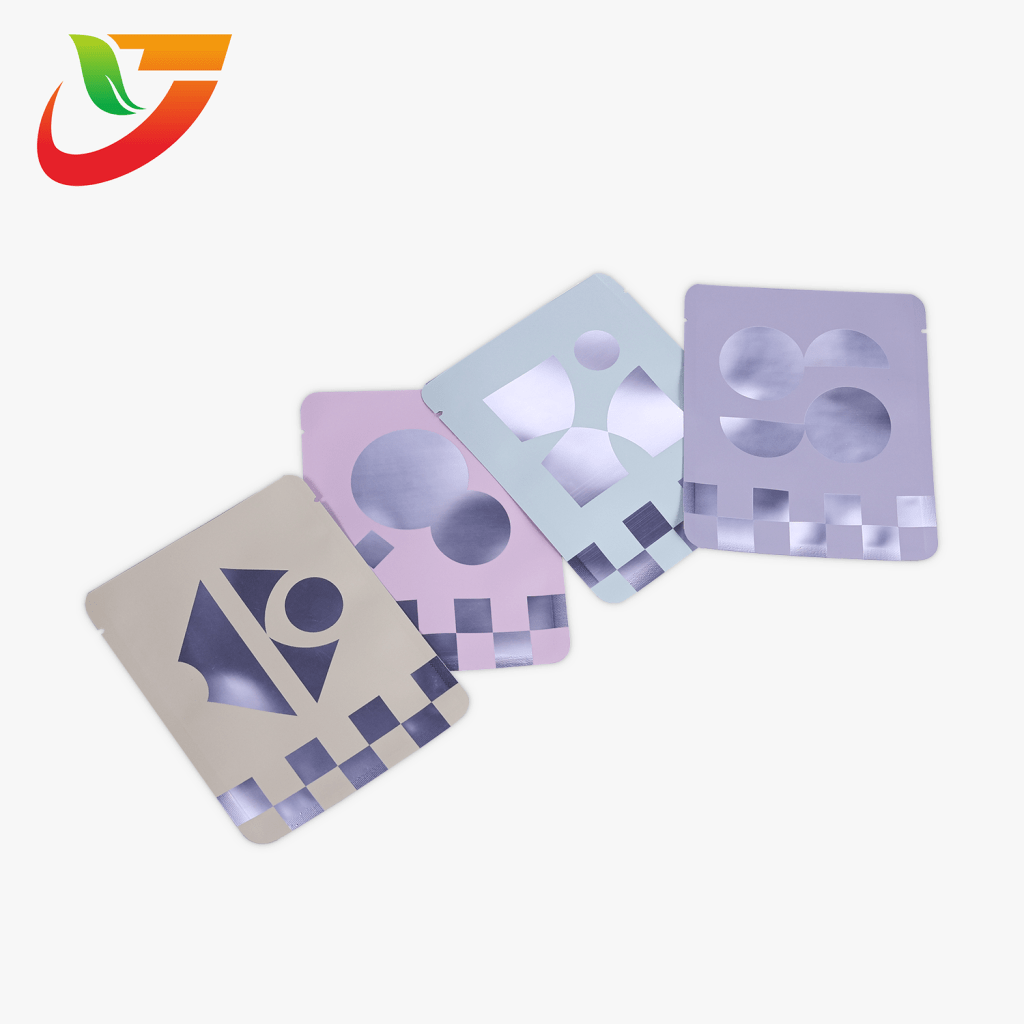
1. Three-Side Sealed Bag
Structure: The most basic type, made by sealing three sides of a flat film (single or multi-layer composite), with one open side for loading before final sealing.
Application Scope: Widely used for small, light items (snacks, spices, tea, small hardware, electronic components, medical supplies) and single-piece/small-batch packaging.
Advantages: Simple production, low cost, high efficiency, flexible size customization; available in OPP, CPP, PE and other materials for moisture-proof and anti-oxidation.
Disadvantages: No three-dimensional shape, cannot stand independently; inconvenient for repeated use; limited sealing strength, unsuitable for heavy or fragile products.
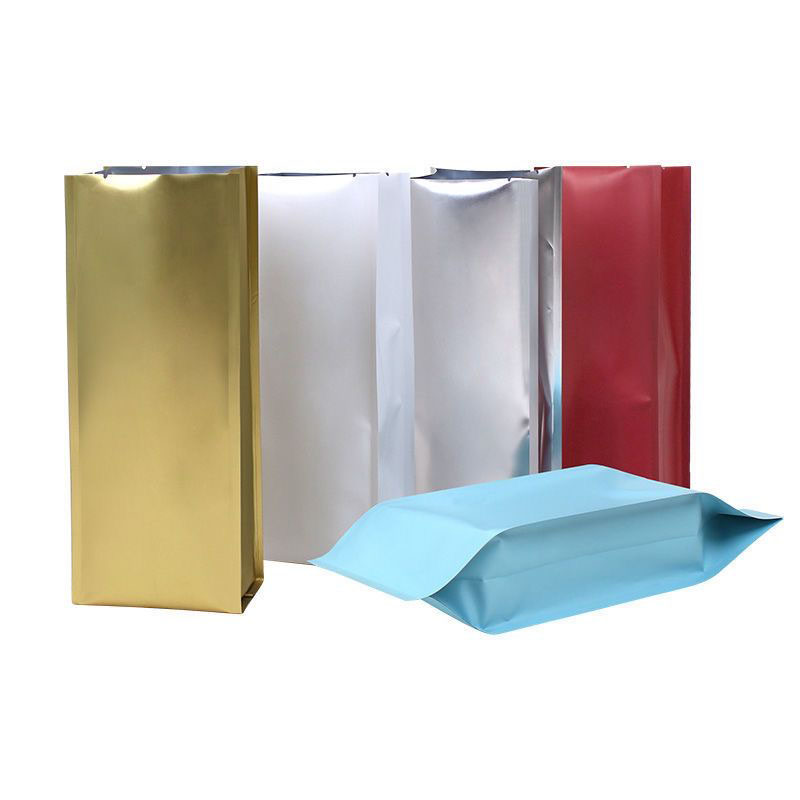
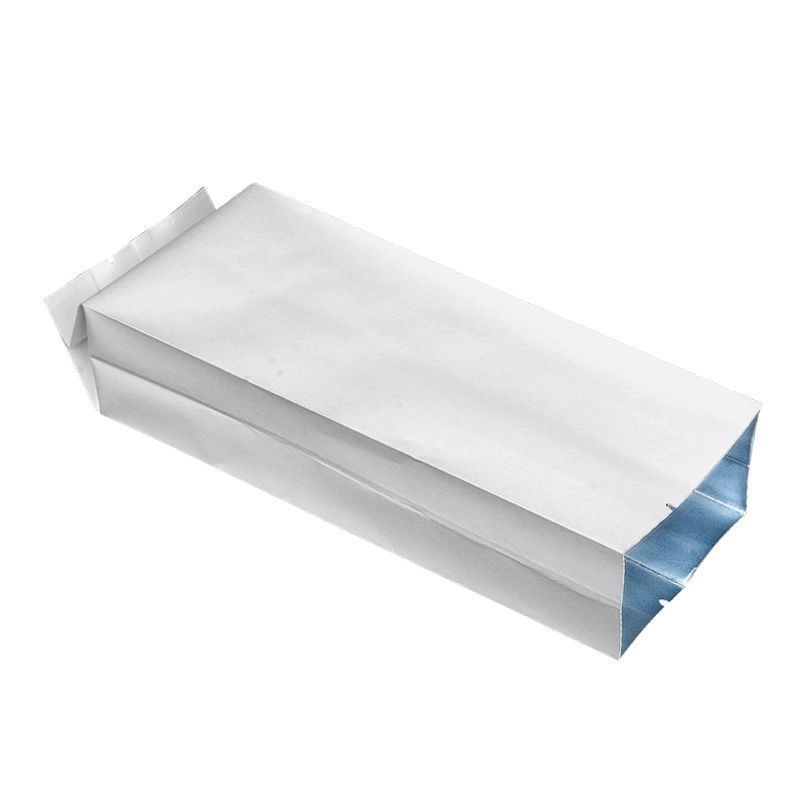
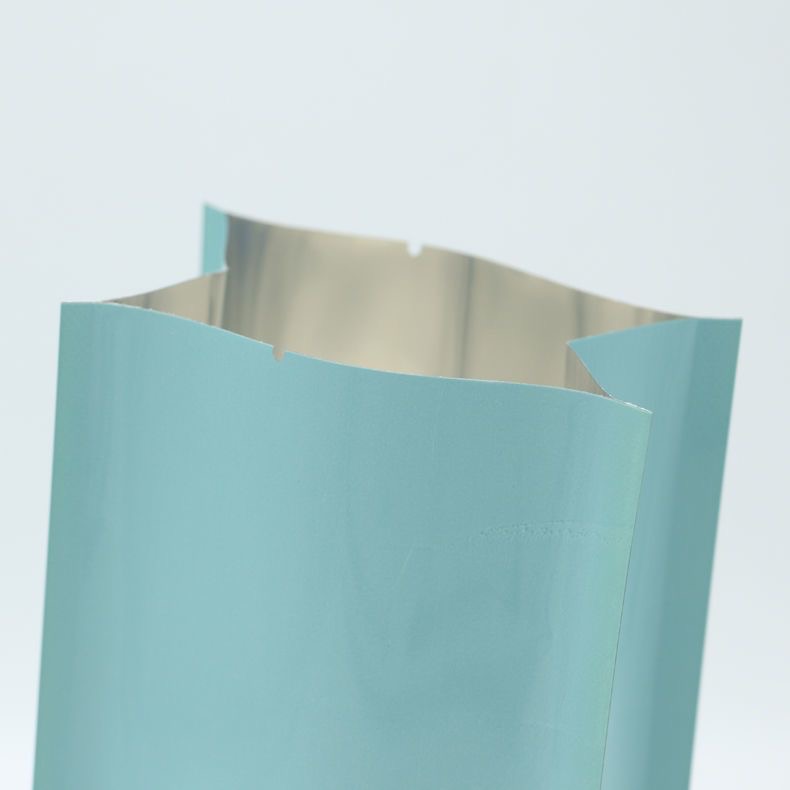
2. Four-Side Sealed Bag
Structure: A fully enclosed flat bag sealed on four sides, made by sealing two films around or folding one film and sealing three sides plus the folded edge.
Application Scope: Suitable for products needing high sealing (powdered goods, granular products, frozen foods, medical dressings), as well as small daily necessities and cosmetics.
Advantages: Excellent sealing to keep products fresh; sturdier than three-side sealed bags; neat appearance.
Disadvantages: Slightly more complex and costly than three-side sealed bags; cannot stand independently or be opened repeatedly easily.
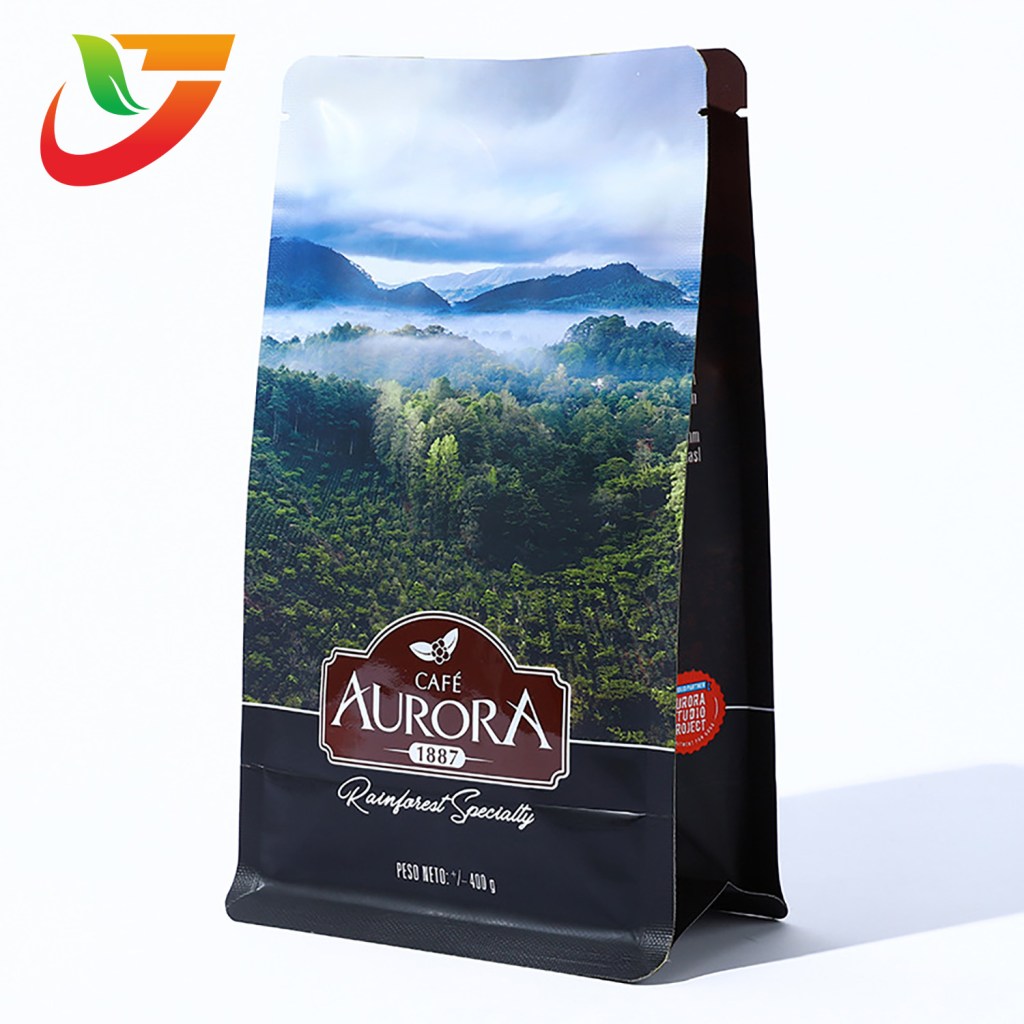
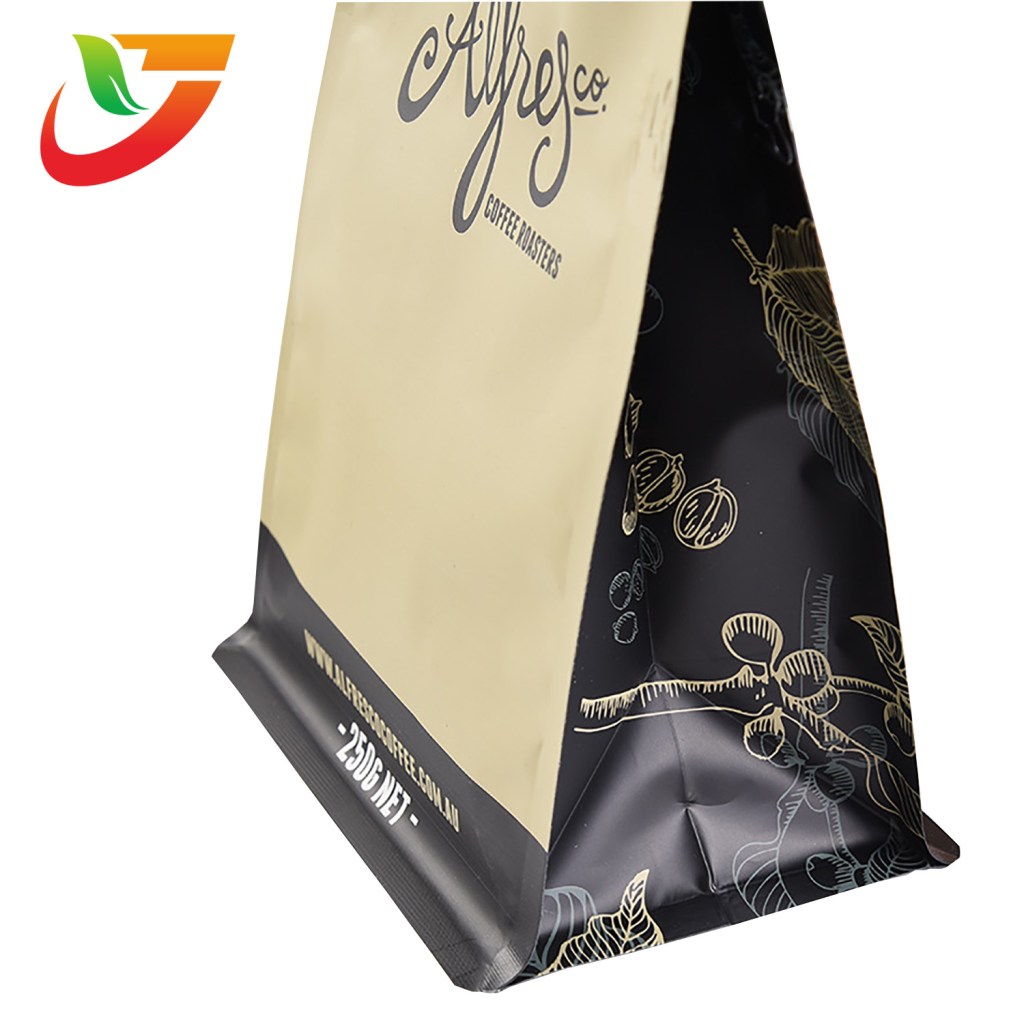
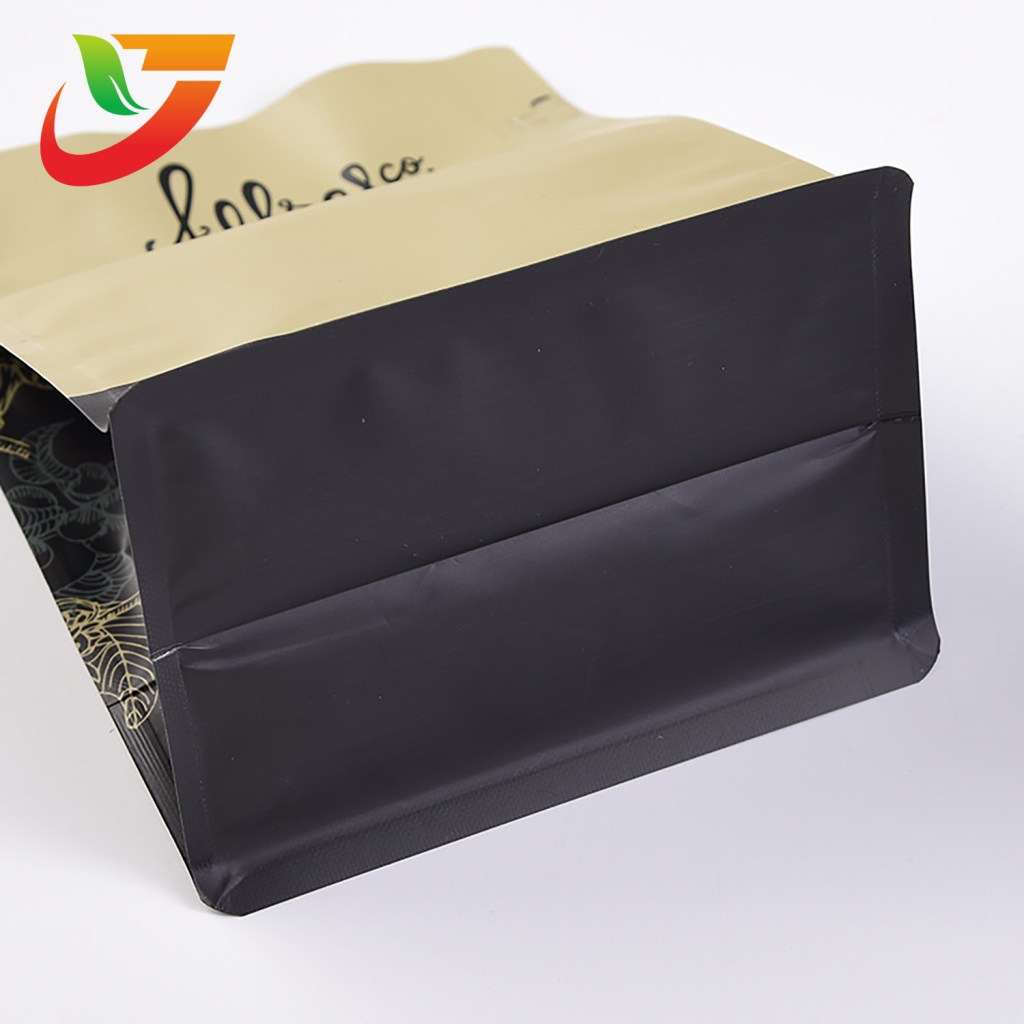
3. Eight-Side Sealed Bag
Structure: An upgraded four-side sealed bag with 8 total edges, featuring a three-dimensional square/rectangular bottom for stability.
Application Scope: Mainly for high-end products needing a three-dimensional look (nuts, beef jerky, cosmetics, health products), ideal for shelf display.
Advantages: Strong three-dimensional shape, stable on shelves; excellent sealing and load-bearing; non-deformable, high-end appearance.
Disadvantages: Complex production, high cost, low efficiency; less flexible size customization.
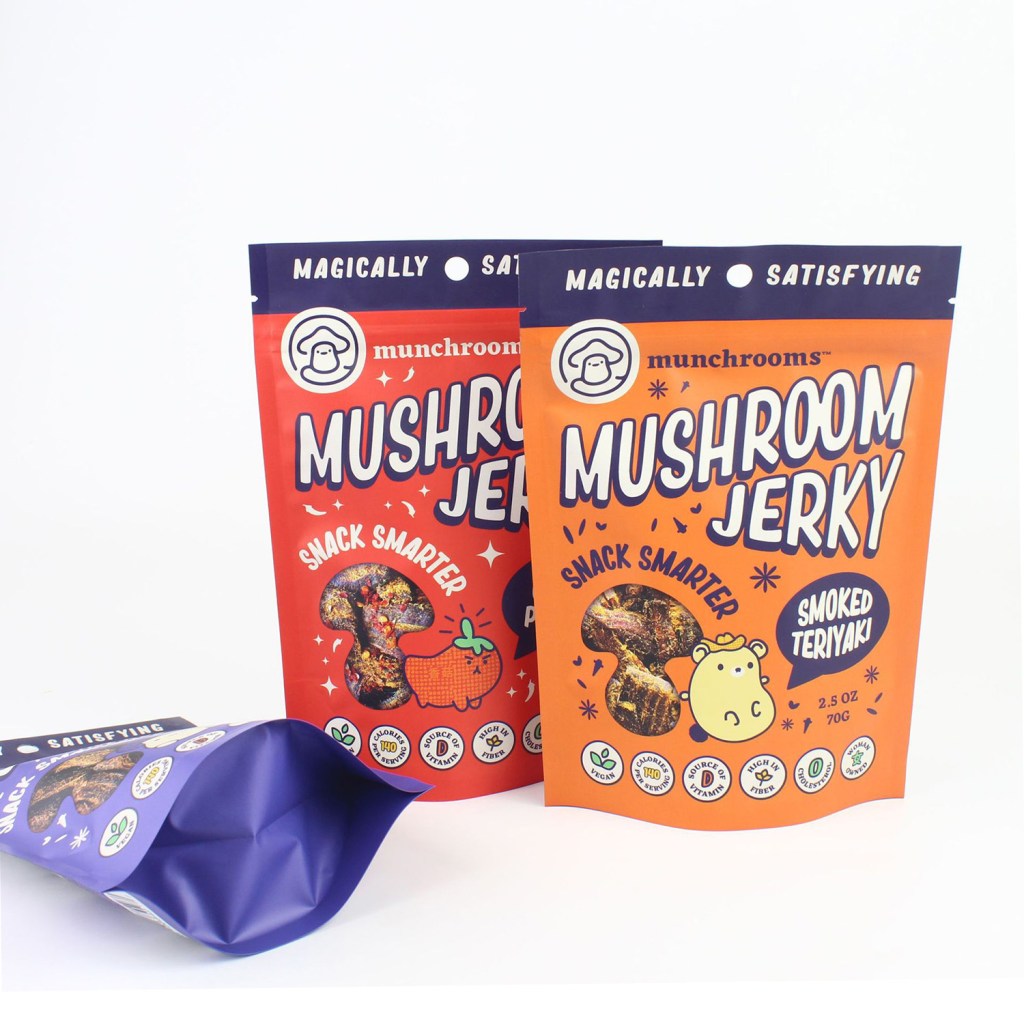
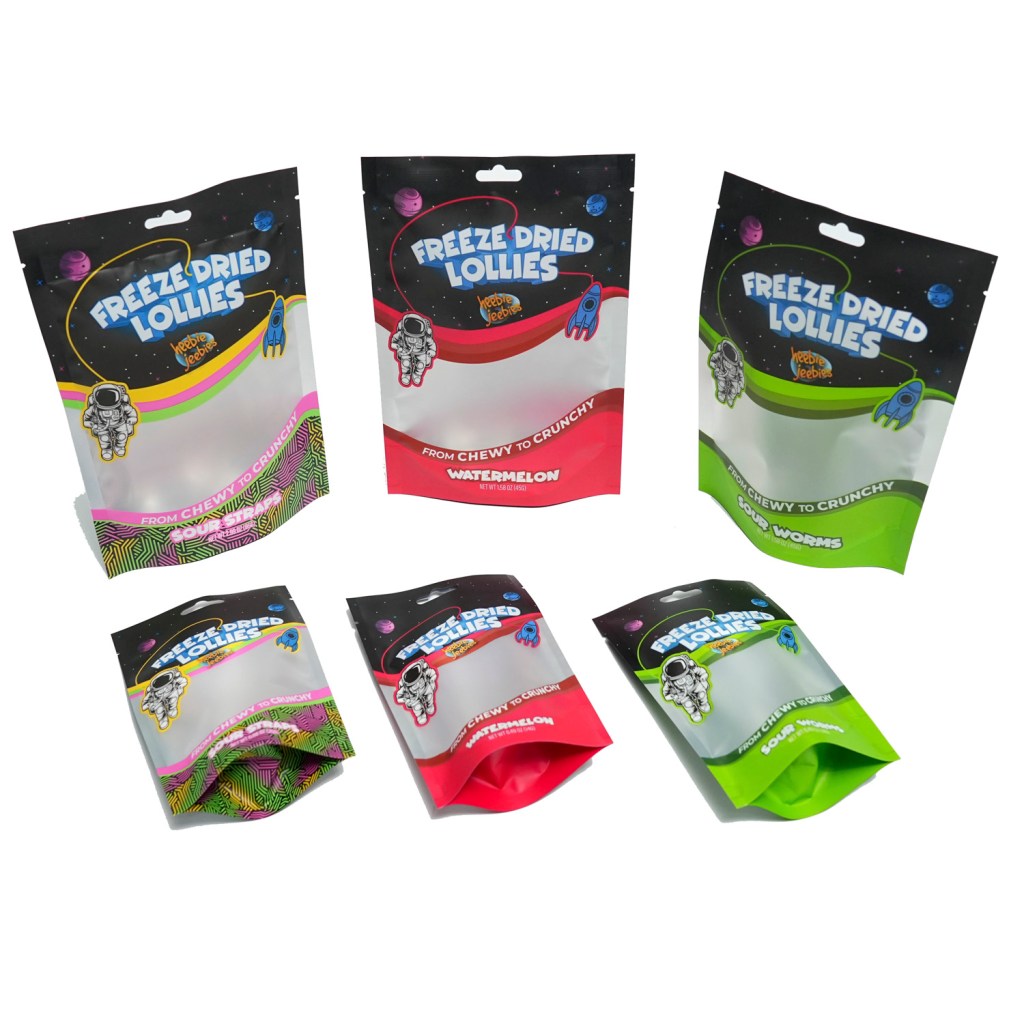
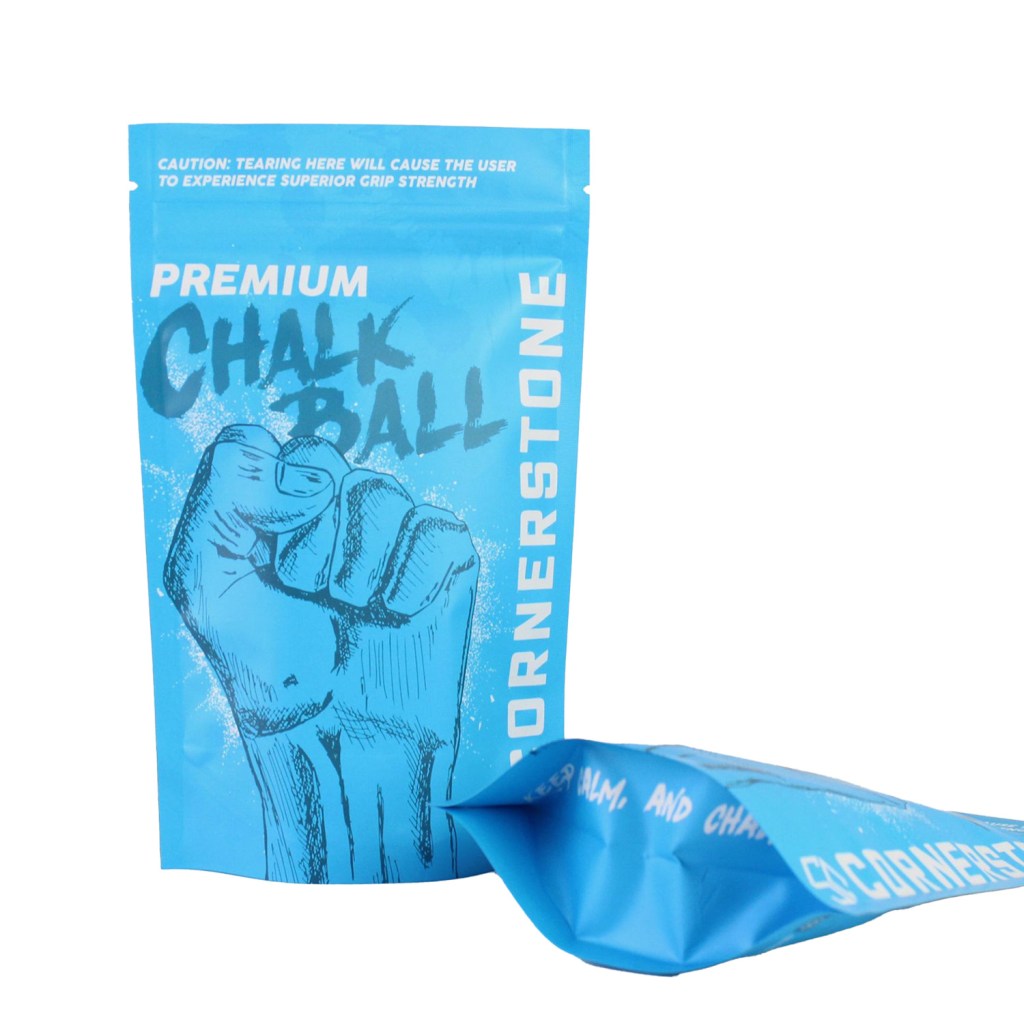
4. Stand-Up Pouch
Structure: A self-standing bag with a foldable V/K-shaped bottom gusset; upper part can have a seal, zipper or spout, made of multi-layer composite film.
Application Scope: Versatile, widely used for beverages, snacks, sauces, pet food, daily chemicals and health products—especially for repeated storage and use.
Advantages: Self-standing for easy display and storage; flexible design with optional zippers/spouts; good barrier performance and brand visibility.
Disadvantages: More complex and costly than flat bags; bottom gusset easily damaged if mishandled.
5. Zipper Bag
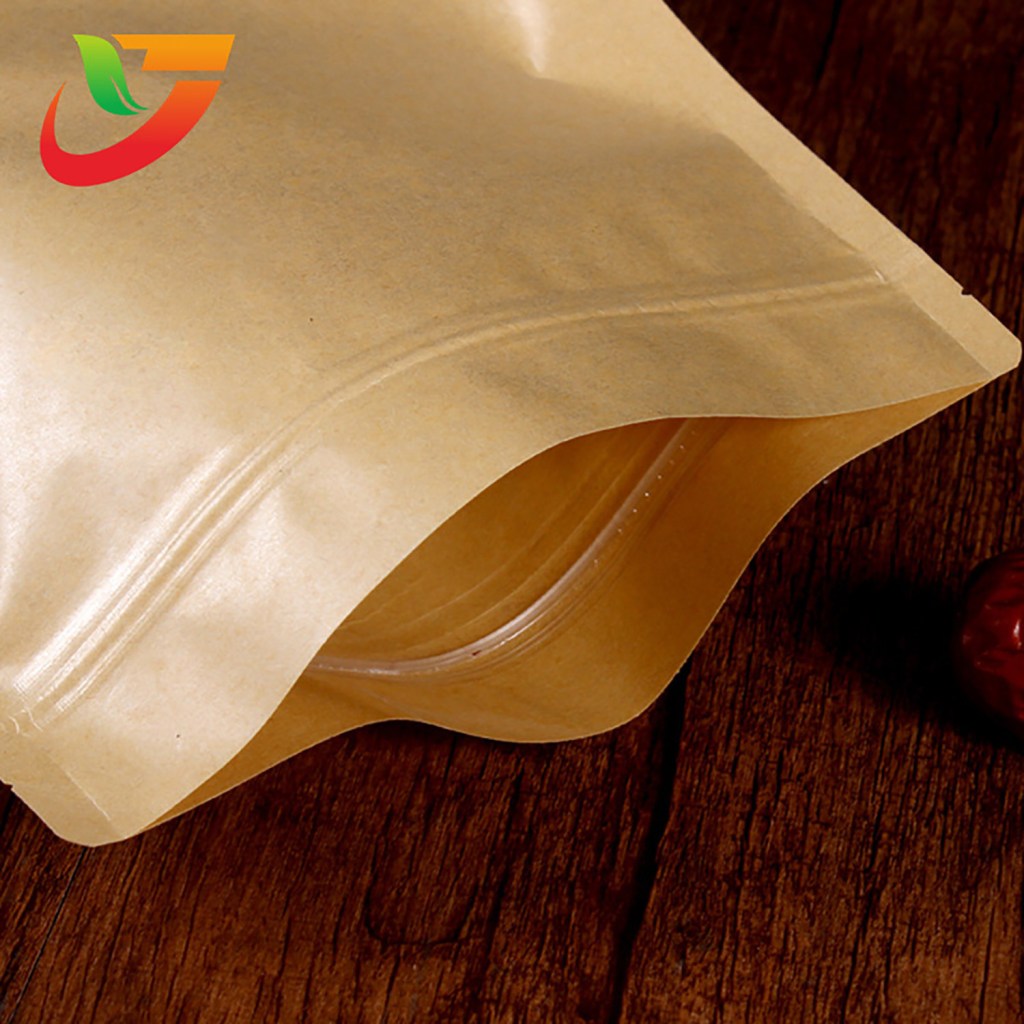
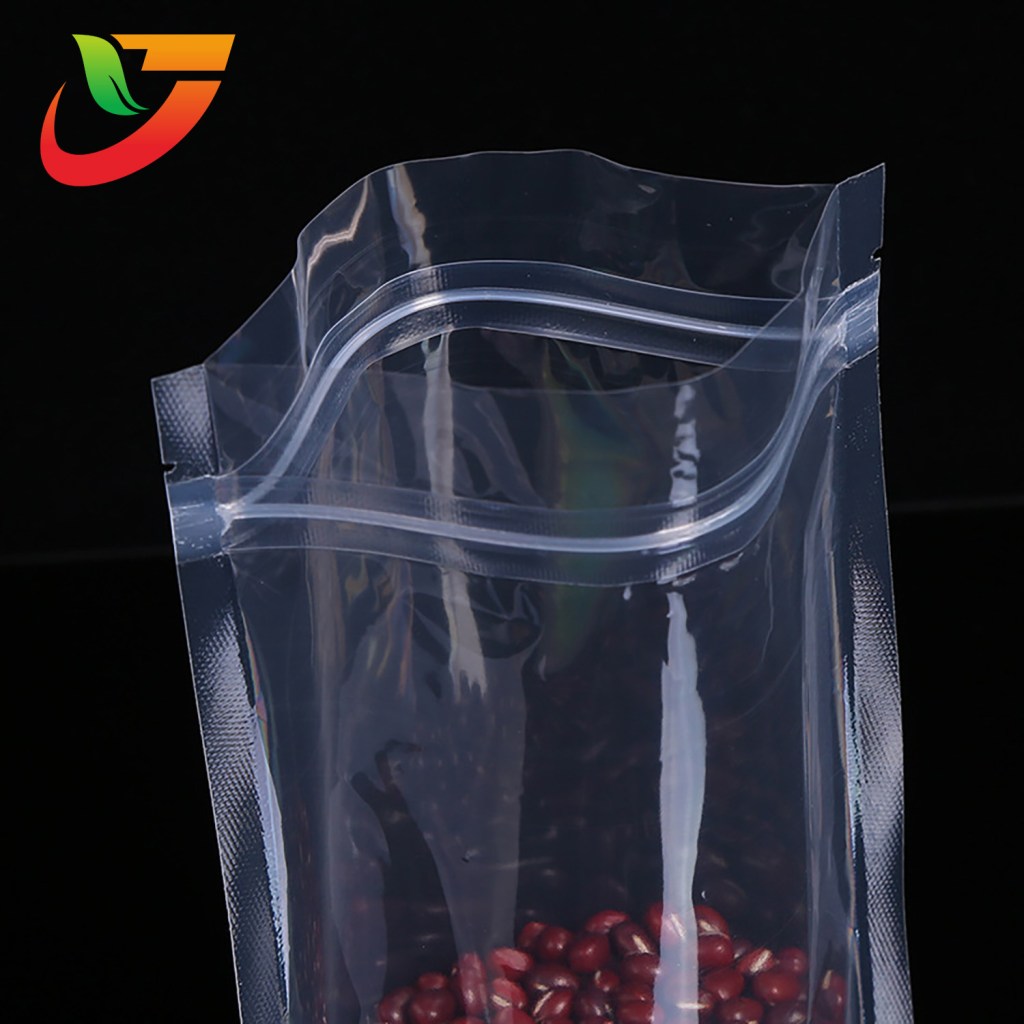
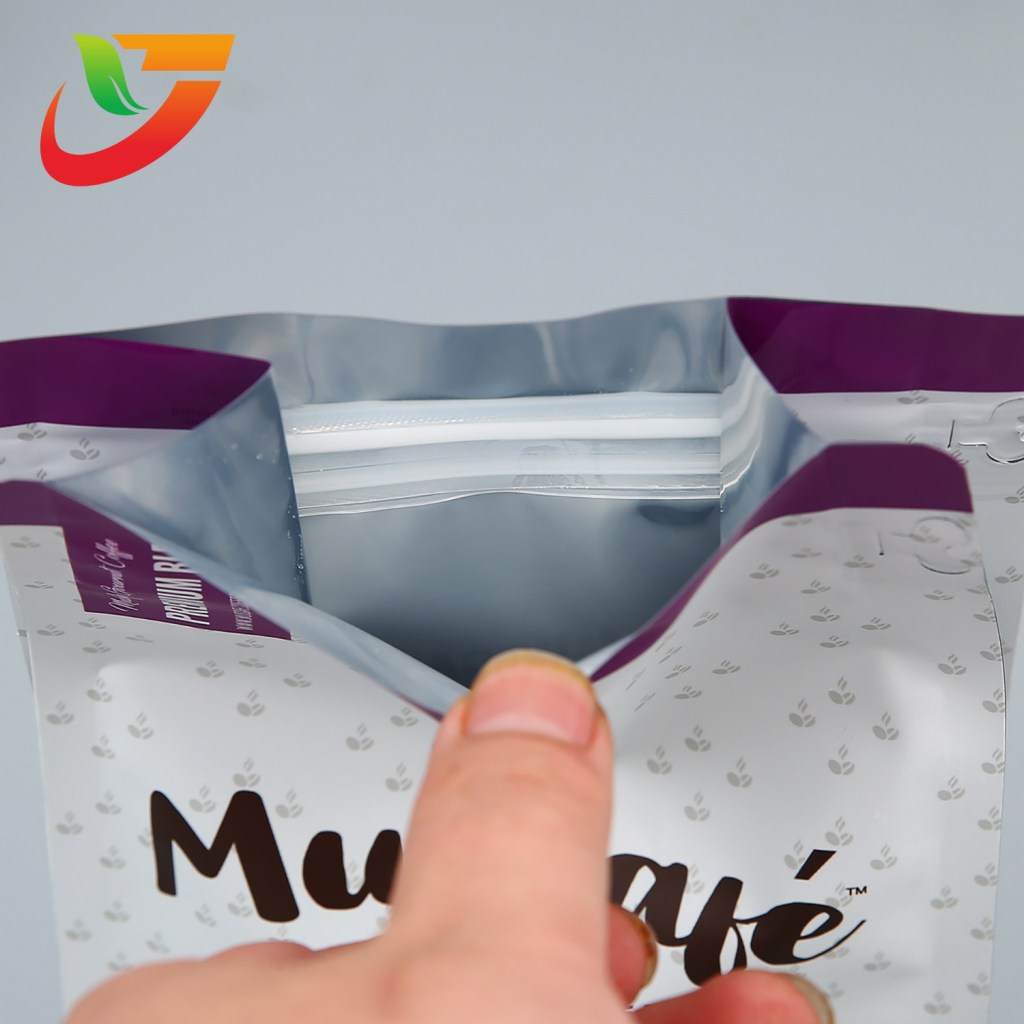
Structure: A bag with a reusable plastic/metal zipper, combinable with stand-up, three-side or four-side sealed designs, made of composite film.
Application Scope: Suitable for products needing repeated opening (snacks, dried fruits, tea, pet food, daily necessities, cosmetics, small electronics).
Advantages: Convenient for repeated use to keep products fresh; good sealing; easy to use; diverse styles.
Disadvantages: Higher cost due to zippers; zippers may wear out, affecting sealing; more complex production.
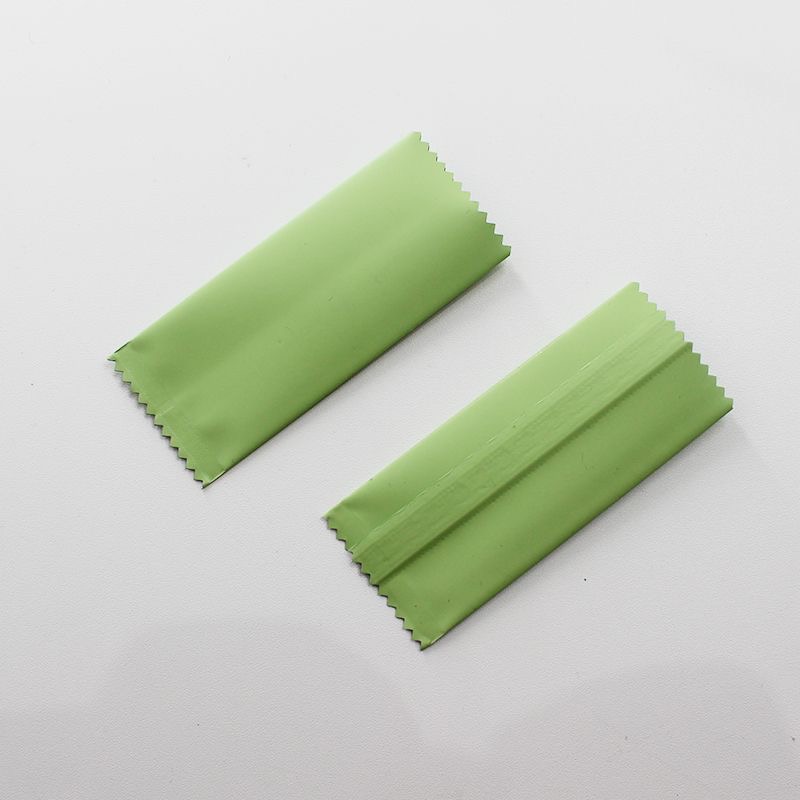
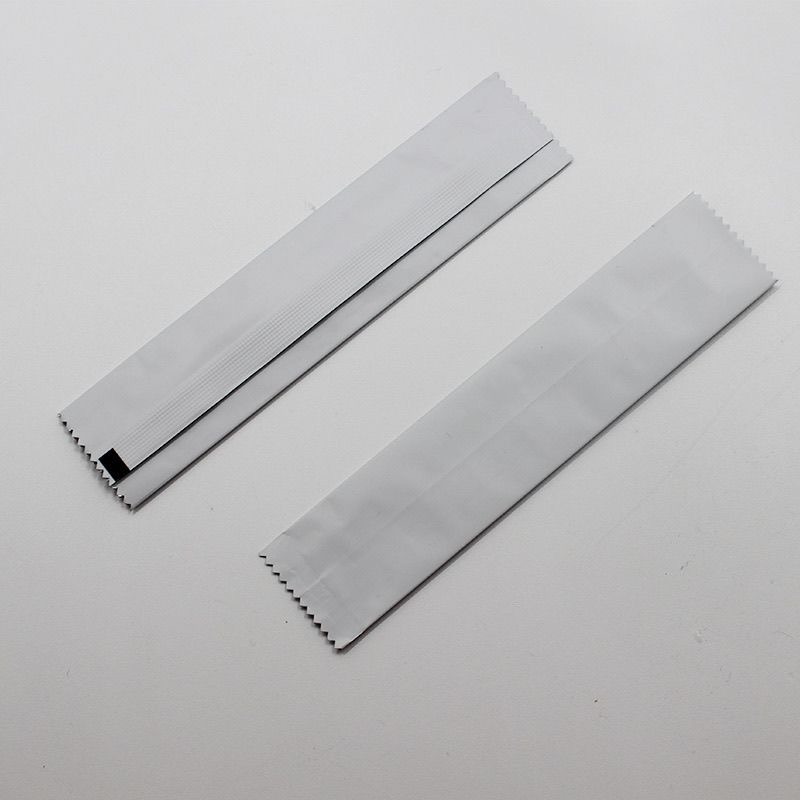
6. Center-Sealed Bag
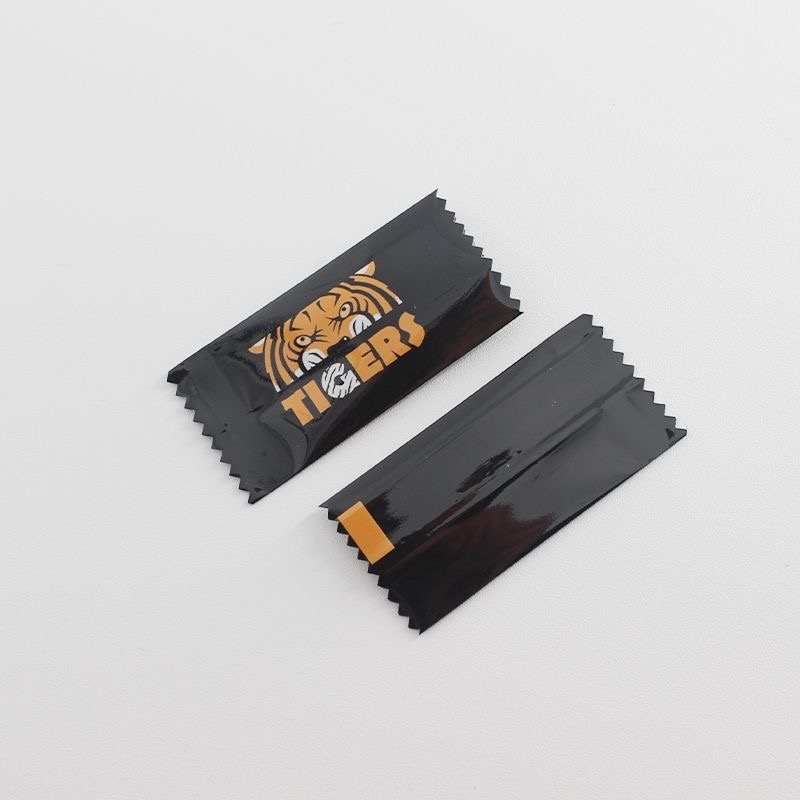
Structure: Also called side-sealed bag, made by folding a film in half and sealing both sides; top and bottom sealed as needed, with a middle side sealing line.
Application Scope: Ideal for long, thin products (instant noodles, biscuits, toothbrushes, textiles) and simple small-medium product packaging.
Advantages: Simple production, low cost, high efficiency; flat surface for printing/labeling; flexible size, perfect for long, thin items.
Disadvantages: No three-dimensional shape, cannot stand independently; limited sealing strength; inconvenient for repeated use.
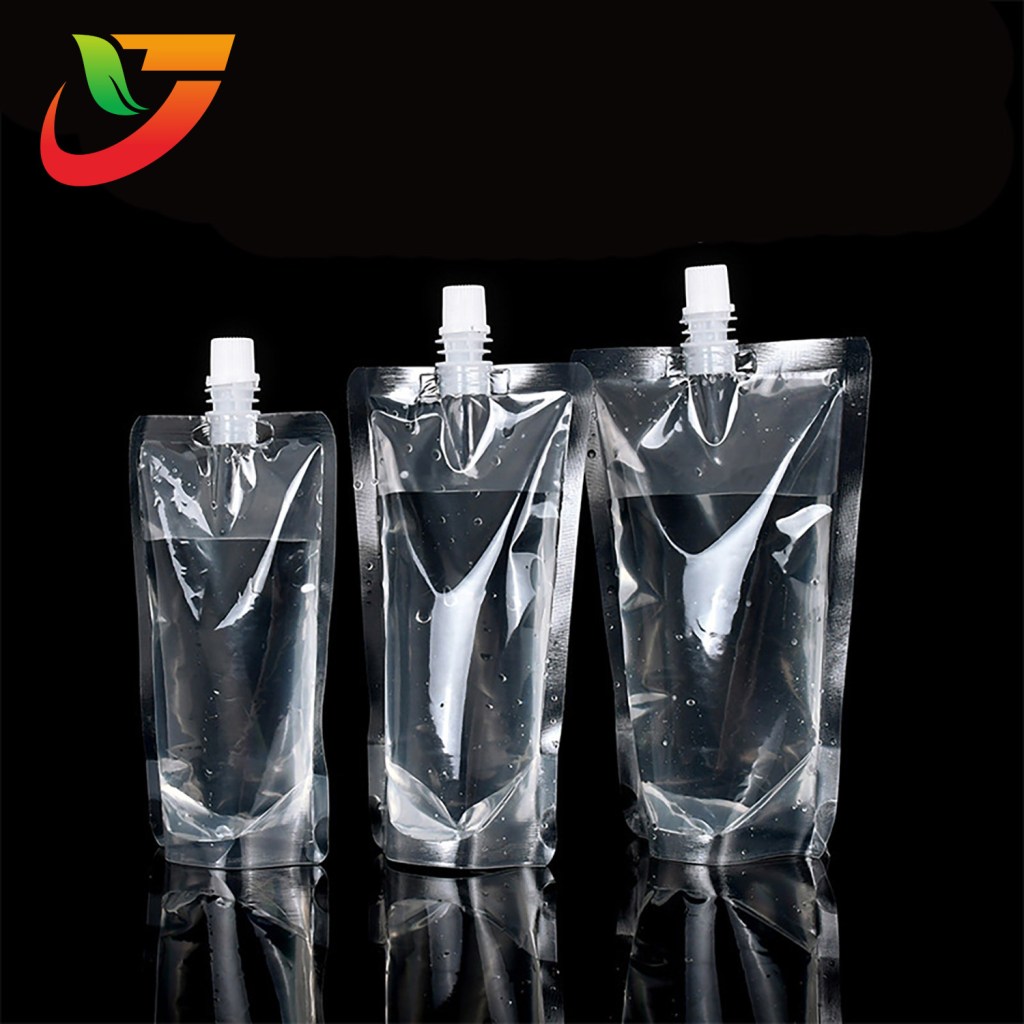
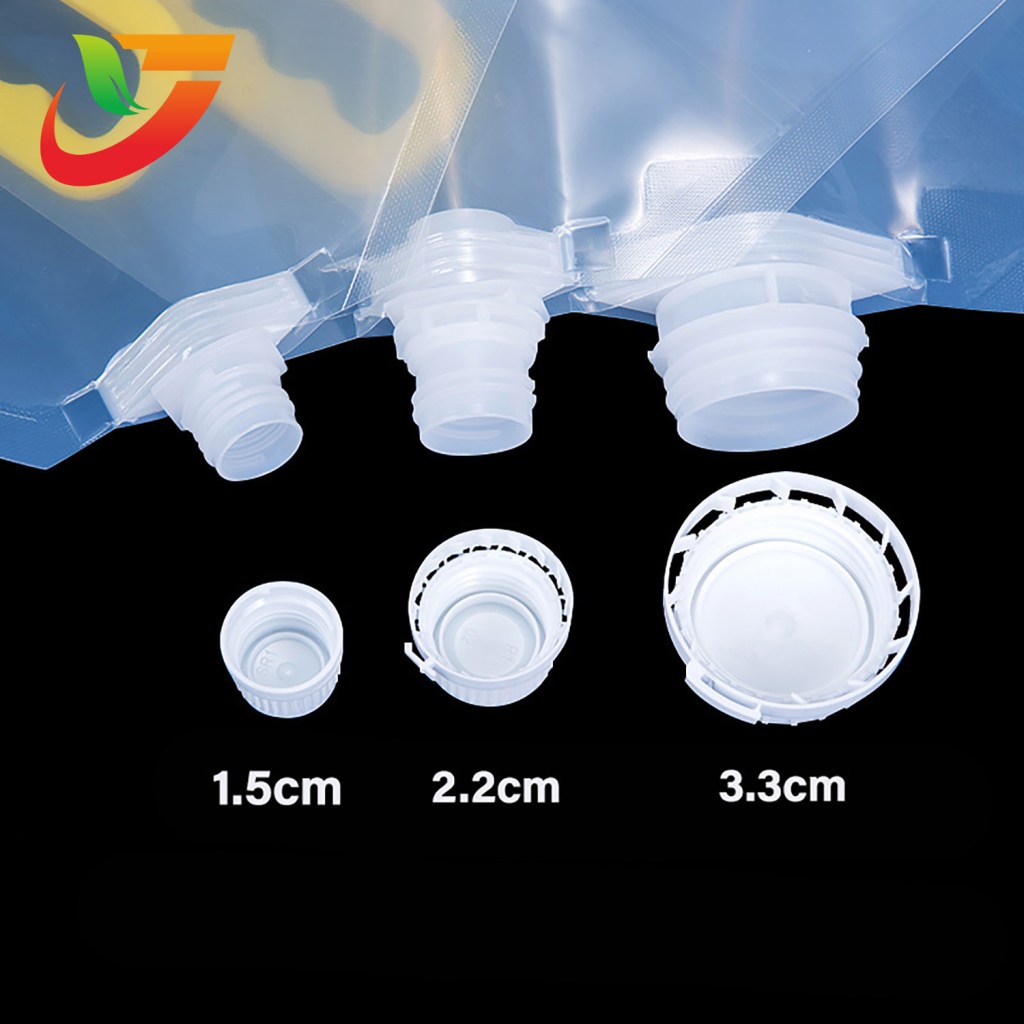
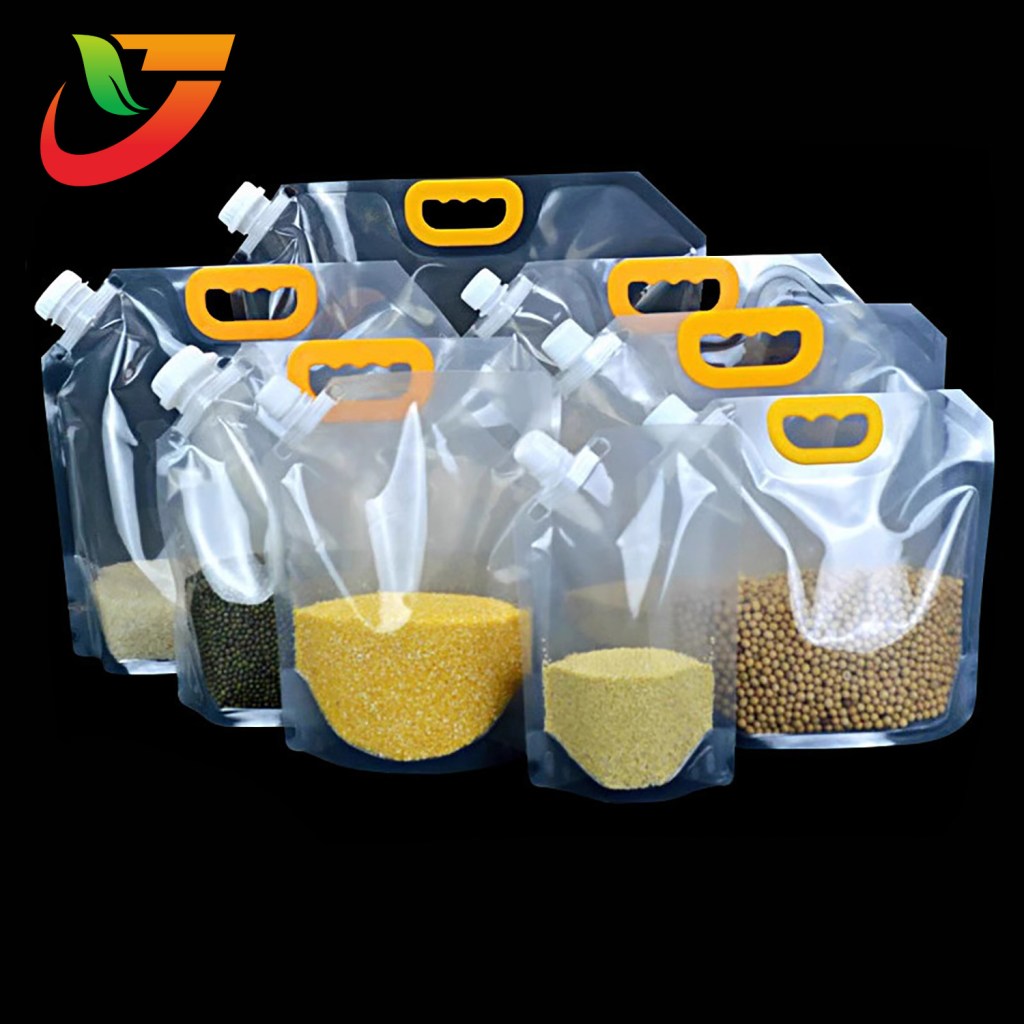
7. Spout Pouch
Structure: A stand-up bag with a screw-cap spout (top/side), made of high-barrier multi-layer composite film.
Application Scope: Mainly for liquid, paste or semi-solid products (beverages, sauces, daily chemicals, baby food).
Advantages: Leak-proof, easy to pour/squeeze; reusable seal; self-standing for easy storage; good barrier for perishables.
Disadvantages: High cost (especially spouts); spouts may break/leak if improperly installed; complex production.
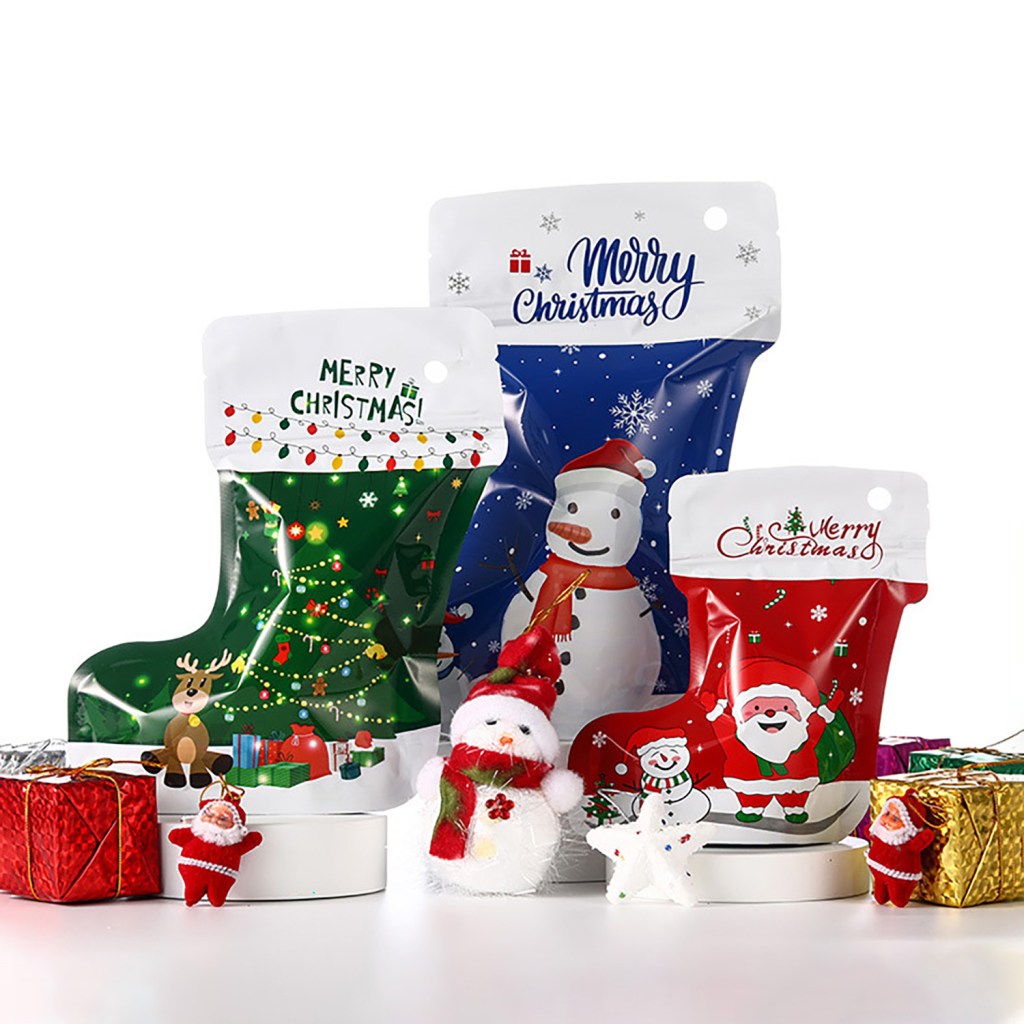
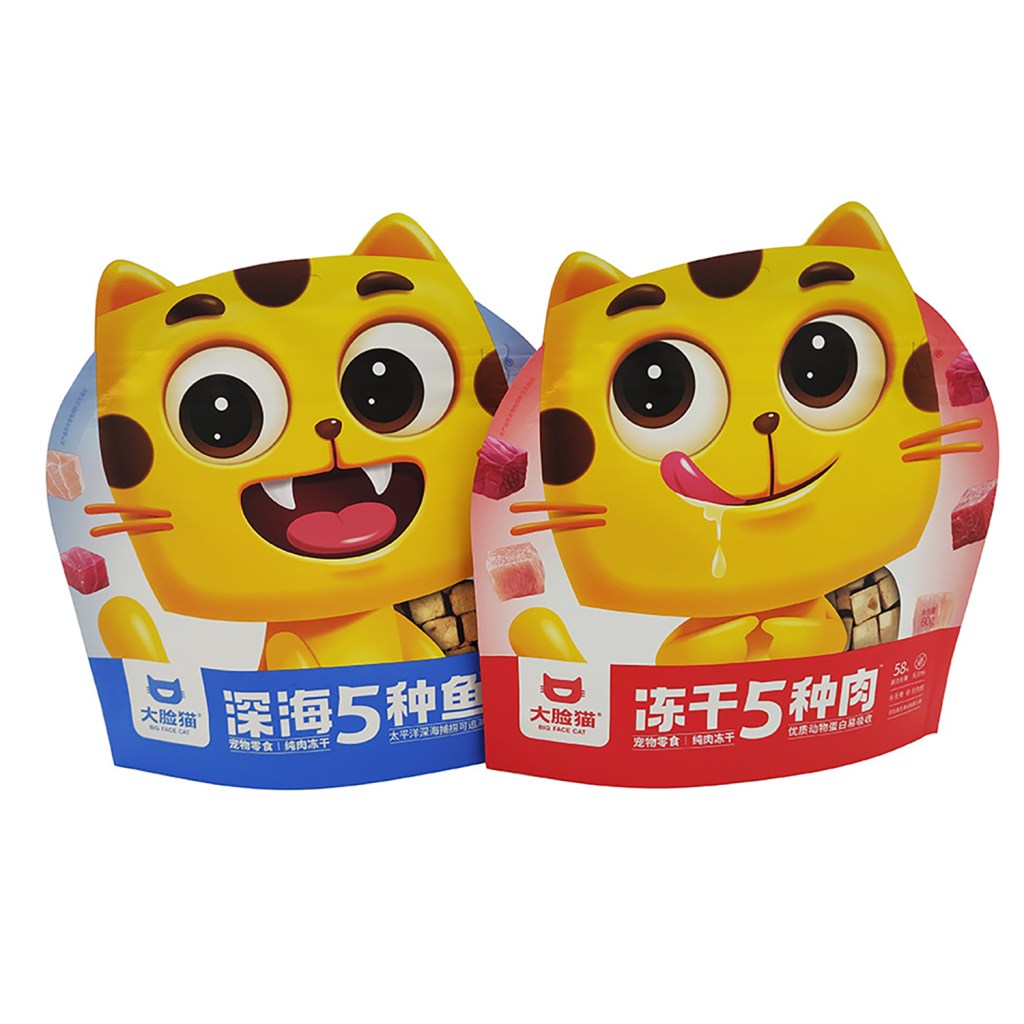
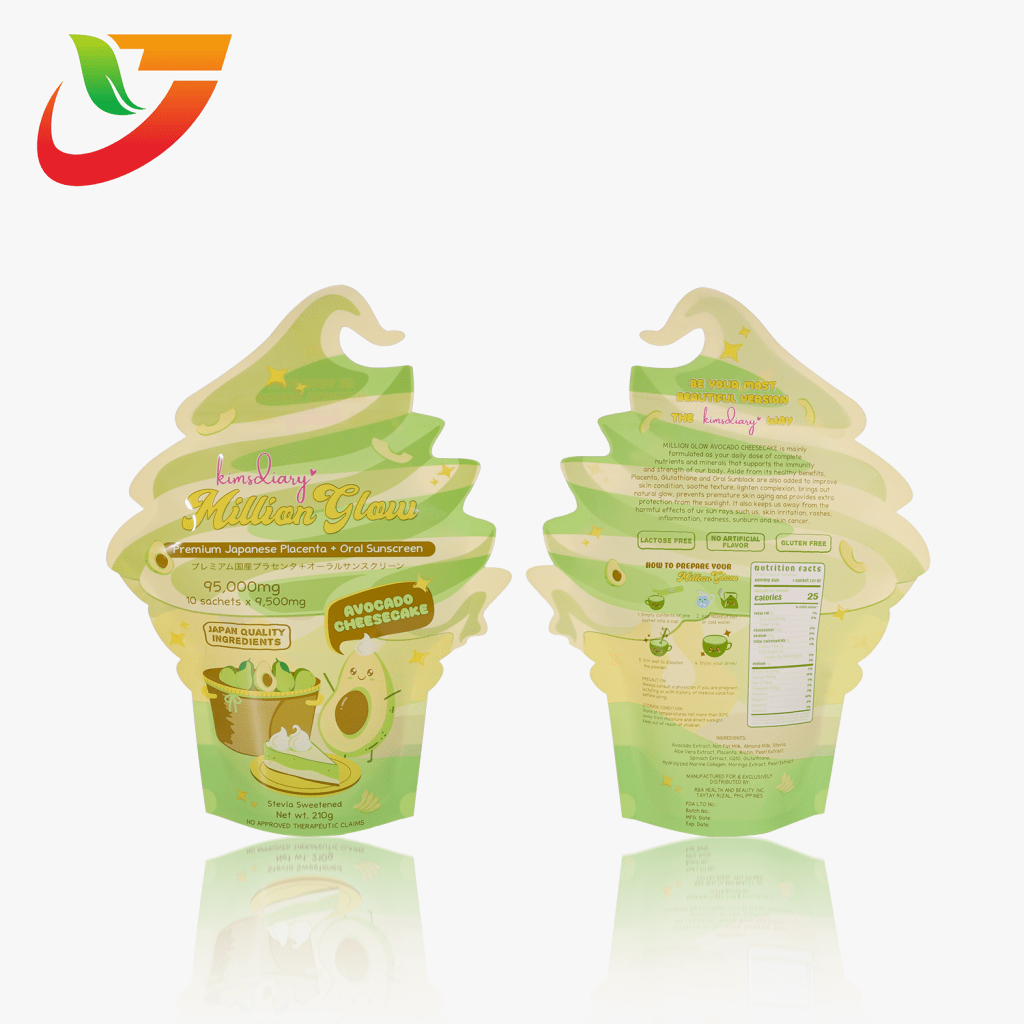
8. Special-Shaped Bag
Structure: Irregularly shaped (round, oval, heart-shaped, etc.), designed for product/brand needs, combinable with other bag structures.
Application Scope: Suitable for products needing brand distinction (candies, cosmetics, gifts, souvenirs) and special-shaped products.
Advantages: Unique, attractive appearance; product-adaptable design; effective for brand promotion.
Disadvantages: Complex production, high mold cost, not for mass production; low space utilization; high customization cost.
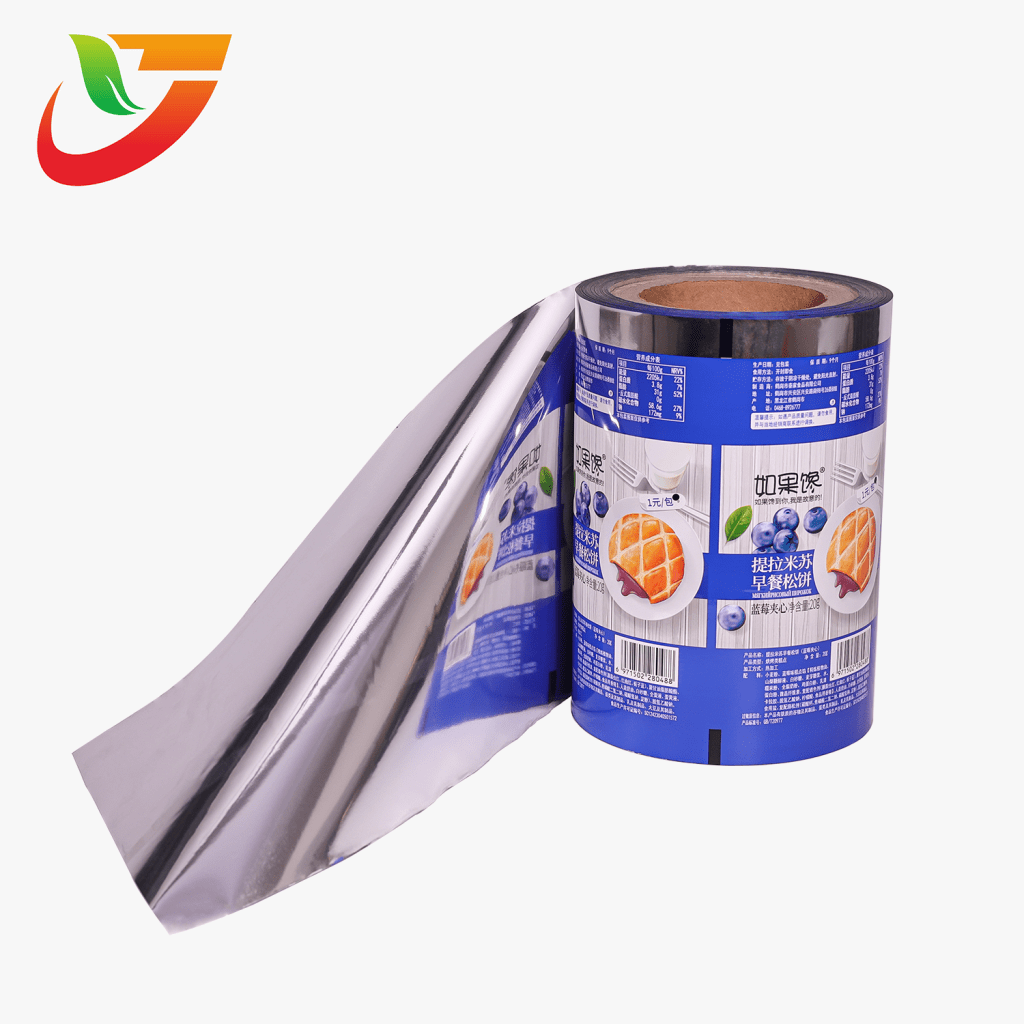
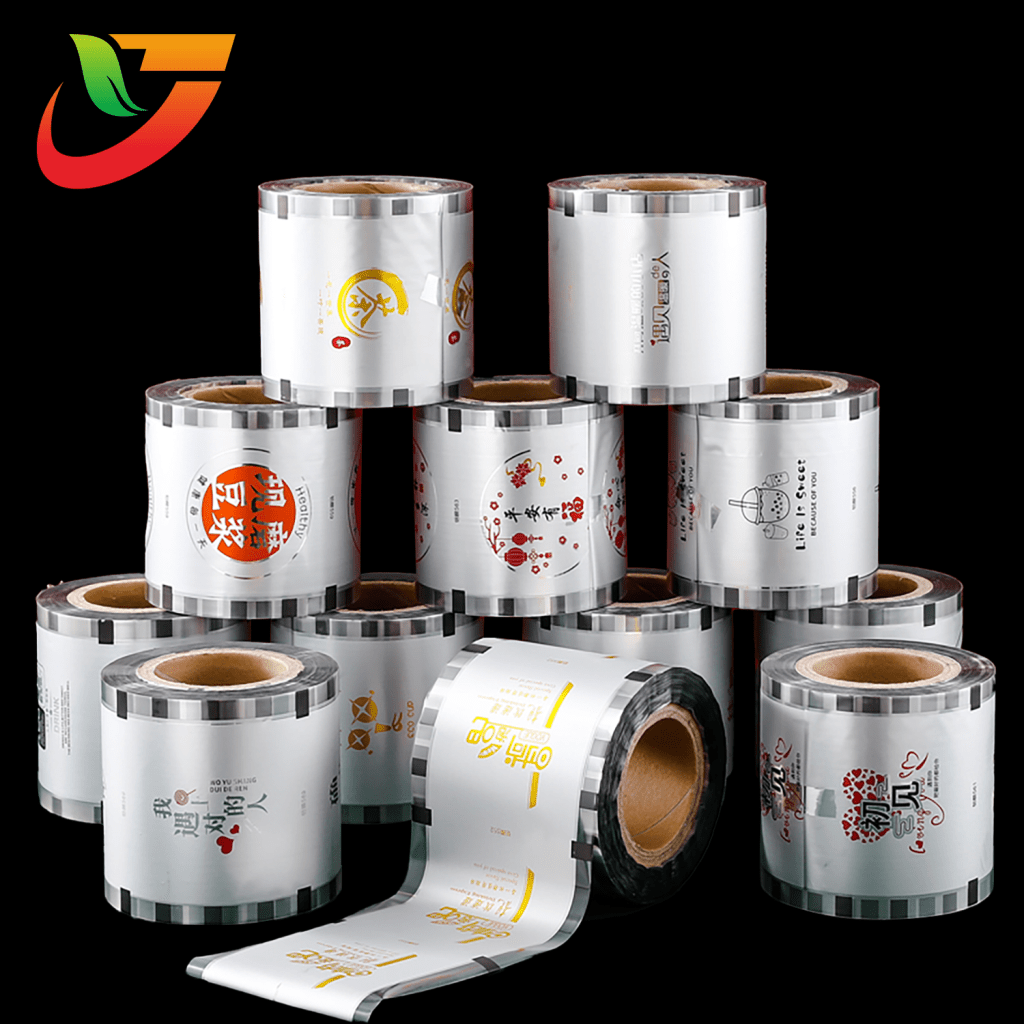
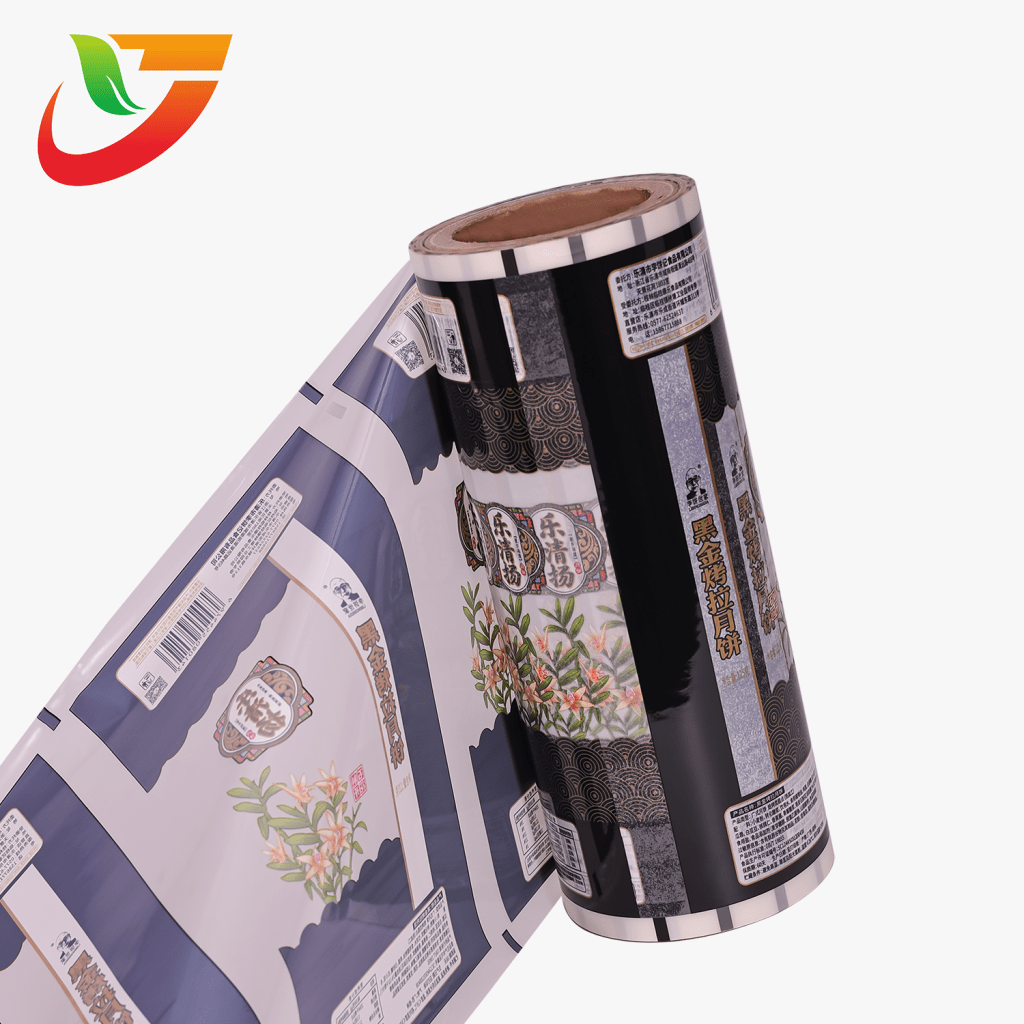
9. Roll Film
Structure: A continuous film roll (single/multi-layer composite), requiring cutting/sealing by a packaging machine; customizable width, thickness and material.
Application Scope: Widely used in automatic production lines for large-scale packaging; also as raw material for finished bags.
Advantages: High packaging efficiency for mass production; flexible customization; low unit cost; space-saving storage.
Disadvantages: Requires professional equipment (high initial investment); needs additional processing; unsuitable for small-batch/manual packaging.
In conclusion, each bag type has unique features. Choose the right packaging by considering product features, storage, usage, display and cost.
 Packaging Expert